A thoughtfully designed backyard can completely change the way you experience your home. Instead of viewing outdoor areas as spaces that are only used occasionally, many homeowners are discovering the benefits of creating environments that encourage relaxation, entertainment, exercise, and family gatherings. From improving landscaping to expanding outdoor living areas, every decision should support both your current lifestyle and your future goals. This guide explores practical ways to transform your property into a destination you’ll enjoy for years to come.
Plan the Entire Property Before Breaking Ground
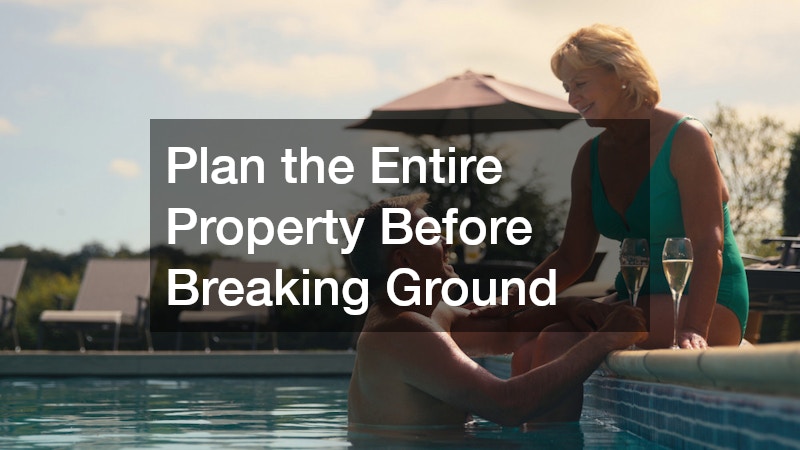
Building a backyard retreat is about much more than installing one feature. Homeowners should begin by evaluating how every part of the property connects together before construction begins. This is especially important for those building custom homes, where the indoor and outdoor living spaces can be designed simultaneously instead of as separate projects. Thinking about sightlines, traffic flow, sun exposure, and privacy from the beginning creates a much more enjoyable environment once everything is complete.
Viewing the project as a complete home improvement plan also helps prioritize investments that provide lasting value. Outdoor kitchens, covered patios, fire features, lighting, walkways, and landscaping all work together when they are planned at the same time. Instead of adding these features years later, homeowners can coordinate materials, colors, and layouts to create a seamless transition between the house and backyard. This comprehensive approach often produces a finished space that feels larger, more functional, and better suited for everyday living.
Before meeting with designers or contractors, it helps to identify your priorities.
- Determine how your family will primarily use the outdoor space.
- Consider how much maintenance you are willing to perform.
- Evaluate privacy from neighboring properties.
- Think about future additions that may require extra space.
- Establish a realistic investment range before finalizing designs.
Taking time to answer these questions early makes every decision that follows much easier. Instead of making reactive choices during construction, you’ll have a clear vision that guides the project from beginning to end.
Build a Budget That Covers More Than Construction Costs
One of the biggest mistakes homeowners make is focusing only on visible construction expenses while overlooking supporting improvements. Projects frequently require additional work involving plumbing, electrical systems, drainage, permits, inspections, grading, fencing, and landscaping. These costs may not receive much attention during the excitement of planning, but they play a critical role in creating a safe and functional outdoor environment.
Many homeowners also combine backyard upgrades with interior home renovations to maximize efficiency. For example, updating a kitchen that opens onto a new patio or remodeling a bathroom with direct outdoor access can improve convenience while construction crews are already working on the property. Coordinating multiple projects often reduces duplicated labor and minimizes the number of times your home becomes an active construction site.
A realistic budget should account for more than the initial installation.
- Permit and inspection fees
- Site preparation and grading
- Utility upgrades
- Landscaping restoration
- Outdoor lighting
- Furniture and accessories
- Future maintenance expenses
- Emergency contingency funds
Planning for these items reduces unpleasant surprises during construction. It also provides greater flexibility if unexpected conditions arise after excavation begins or additional improvements become necessary.
Choose Features That Match Everyday Living
Every household uses outdoor spaces differently, which is why selecting the right design matters so much. Experienced pool builders often encourage homeowners to think about how they spend weekends, entertain guests, and relax after work before selecting a layout. A family with young children may prioritize shallow play areas, while avid swimmers may prefer long, unobstructed spaces designed for exercise. The right design should support daily habits rather than simply follow current trends.
Selecting an in ground pool also involves thinking beyond the water itself. Decking materials, seating areas, shade structures, landscaping, and lighting all influence how often the space is actually used. Comfortable gathering spaces encourage friends and family to spend more time outdoors, making the investment far more valuable than focusing solely on swimming.
When comparing possible layouts, consider factors such as:
- Entertainment needs
- Exercise goals
- Safety features
- Ease of maintenance
- Accessibility for all family members
- Future resale appeal
Choosing features that reflect your lifestyle creates an outdoor space that remains enjoyable long after the excitement of construction has passed. Thoughtful planning helps avoid costly changes while ensuring every square foot serves a meaningful purpose.
Design Outdoor Spaces That Stay Functional Throughout the Year
Many homeowners assume outdoor living is limited to warm summer afternoons, but thoughtful planning extends its usefulness well beyond a single season. Plunge pools are becoming increasingly popular because they provide relaxation without requiring the large footprint of traditional installations. Their compact size makes them ideal for smaller properties while leaving room for seating areas, gardens, and outdoor kitchens.
Creating multiple activity zones also encourages year-round enjoyment. Covered patios provide shelter during light rain, strategically placed shade structures reduce summer heat, and outdoor fireplaces or heaters extend comfortable evenings into cooler months. Layering these features together allows homeowners to enjoy the backyard in different ways regardless of changing weather conditions.
Comfort can be enhanced through several design elements.
- Covered gathering areas
- Adjustable outdoor lighting
- Wind barriers created by landscaping
- Comfortable seating arrangements
- Weather-resistant furniture
- Seasonal decorative accents
Each feature contributes to making the outdoor environment feel welcoming throughout the year. Instead of limiting activities to a few months, homeowners create flexible spaces that adapt to changing seasons and different occasions.
Select Durable Materials That Continue Looking Beautiful
The materials chosen during construction influence both appearance and long-term maintenance requirements. High-quality finishes often cost more initially but typically provide greater durability and lower maintenance over time. Homeowners should carefully compare available surface options while considering climate, expected usage, and long-term upkeep before making final selections.
Many professionals recommend investing in quality pool plastering services because interior finishes directly affect both appearance and performance. Proper installation creates a smooth, attractive surface while helping protect the underlying structure from premature deterioration. Different finishes offer varying textures, colors, and durability levels, allowing homeowners to customize the appearance to complement the rest of their outdoor living space.
Material selection should balance aesthetics with practicality.
- Choose finishes appropriate for your local climate.
- Compare expected maintenance requirements.
- Ask about manufacturer warranties.
- Consider how colors will appear in different lighting conditions.
- Evaluate long-term repair costs before making a decision.
Thoughtful material selection helps preserve the beauty of the entire backyard while reducing future maintenance concerns. Investing in quality craftsmanship and durable finishes today often leads to fewer repairs and greater satisfaction for many years to come.
Create a Maintenance Plan Before the Project Is Finished
Many homeowners focus so much on the excitement of construction that they overlook what it takes to keep everything looking beautiful afterward. Establishing a maintenance strategy before the project is completed makes it much easier to protect your investment. Features should be designed with accessibility in mind so that equipment, filters, valves, and other components can be reached without unnecessary difficulty. Planning also reduces the likelihood of postponing routine upkeep because maintenance feels inconvenient.
Working with a reliable custom pool service provider can simplify routine care while helping identify potential concerns before they become major repairs. Regular cleaning, water balancing, equipment inspections, and seasonal maintenance all contribute to extending the life of the entire system. Professional technicians often notice small issues that homeowners may overlook, allowing them to recommend corrective action before damage becomes expensive.
Creating a maintenance checklist makes ongoing care much easier.
- Inspect equipment on a regular schedule.
- Keep water chemistry properly balanced.
- Remove debris before it accumulates.
- Clean filters according to the manufacturer’s recommendations.
- Monitor water levels during periods of heavy use.
- Schedule professional inspections at least once a year.
Routine maintenance is far less expensive than major repairs caused by neglect. By establishing a care plan from the beginning, homeowners can spend more time enjoying their outdoor retreat and less time dealing with unexpected problems.
Recognize Early Warning Signs Before Small Problems Grow
Every outdoor feature experiences natural wear over time, but recognizing problems early can significantly reduce repair costs. Small cracks, discoloration, rough surfaces, or areas that lose their smooth finish should never be ignored. While these issues may initially appear cosmetic, they can sometimes indicate underlying deterioration that deserves professional evaluation. Addressing concerns promptly often prevents more extensive structural damage later.
Eventually, many homeowners find that pool resurfacing becomes necessary as finishes naturally age. A refreshed surface not only improves appearance but also restores comfort and helps protect the underlying shell from continued exposure. Waiting too long to address worn finishes can lead to more complicated repairs that affect additional components of the structure. Scheduling evaluations at the first sign of deterioration allows homeowners to make informed decisions before conditions worsen.
Some common warning signs include:
- Rough or abrasive surfaces.
- Visible staining that does not respond to cleaning.
- Small cracks that gradually become larger.
- Areas where the finish appears worn or uneven.
- Water loss that cannot be explained by evaporation.
- Equipment working harder than normal to maintain proper circulation.
Paying attention to these indicators allows homeowners to address maintenance issues proactively instead of reacting after significant damage has already occurred. A little attention today can save substantial time and money in the future.
Coordinate Indoor and Outdoor Projects for Better Results
When homeowners think about improving their property, it is easy to separate interior and exterior projects into completely different plans. However, combining improvements often creates a much more cohesive final result. Whether updating flooring that opens onto a patio or installing larger windows that frame backyard views, coordinated planning helps each improvement complement the next. The transition between indoor and outdoor spaces feels natural when materials, colors, and architectural details work together.
Viewing the project as part of a larger home improvement strategy also helps eliminate duplicate work. For example, electrical upgrades, drainage improvements, irrigation adjustments, and landscape redesigns can often be completed more efficiently when coordinated together. This approach minimizes disruption to daily life while reducing labor costs associated with reopening finished areas later.
A coordinated project often includes improvements such as:
- Matching exterior finishes with interior design elements.
- Extending flooring materials toward outdoor gathering areas.
- Upgrading lighting to connect indoor and outdoor spaces.
- Planning landscaping that enhances views from inside the home.
- Designing entertainment areas that support both everyday living and special occasions.
Thinking about the property as one connected living environment encourages smarter decisions throughout the planning process. The result is a home that feels balanced, functional, and welcoming from every angle.
Improve Long-Term Value Through Smart Design Decisions
Design trends naturally change over time, but thoughtful planning focuses on features that continue providing value for many years. Homeowners investing in custom homes often prioritize flexible layouts that adapt as families grow and lifestyles evolve. Rather than selecting features based solely on current popularity, they choose timeless materials, durable construction, and practical amenities that remain attractive regardless of changing design preferences.
Long-term value also comes from investing in quality craftsmanship instead of cutting corners to reduce initial expenses. Durable finishes, energy-efficient systems, well-planned landscaping, and carefully selected materials all contribute to lower maintenance requirements while preserving curb appeal. Buyers frequently appreciate properties that have been thoughtfully maintained and designed with longevity in mind. Even homeowners who have no intention of selling often benefit from knowing their investments continue to enhance both comfort and property value over time.
When making design decisions, consider prioritizing:
- Timeless architectural styles.
- Durable materials with proven performance.
- Flexible spaces that serve multiple purposes.
- Energy-efficient upgrades.
- Low-maintenance landscaping.
- Features that complement the home’s existing character.
Making thoughtful choices today helps ensure that improvements continue paying dividends well into the future. Quality construction and careful planning rarely go out of style.
Work With Professionals Who Communicate Clearly
No matter how carefully homeowners plan their projects, successful results depend heavily on the professionals they choose. Experienced pool builders bring valuable technical knowledge that helps avoid costly mistakes during design and construction. They can identify potential site challenges, recommend appropriate materials, explain realistic timelines, and provide guidance that reflects years of practical experience. Open communication throughout the project keeps expectations aligned and helps prevent misunderstandings before they become major concerns.
Homeowners should never hesitate to ask detailed questions before signing a contract. Discussing schedules, warranties, construction processes, payment expectations, and project milestones helps establish confidence from the beginning. Reputable contractors welcome informed clients because clear communication creates smoother projects for everyone involved. Maintaining regular updates throughout construction also allows adjustments to be made efficiently if unexpected conditions arise.
A productive working relationship often includes:
- Clearly written contracts.
- Regular project updates.
- Transparent pricing.
- Realistic construction timelines.
- Prompt responses to questions.
- Thorough final walkthroughs before project completion.
Choosing experienced professionals who value communication provides peace of mind throughout every stage of construction. Strong partnerships often lead to better craftsmanship, fewer surprises, and a finished outdoor space that exceeds expectations.
Transforming a backyard into a functional living space is about far more than adding a single feature. Careful planning, quality craftsmanship, thoughtful material selection, and consistent maintenance all contribute to creating an environment that enhances everyday life. When every improvement supports a larger vision, the finished property feels cohesive, comfortable, and designed around the needs of the people who live there.